Clapham removals insider tips for faster stress free moves
Posted on 02/07/2026
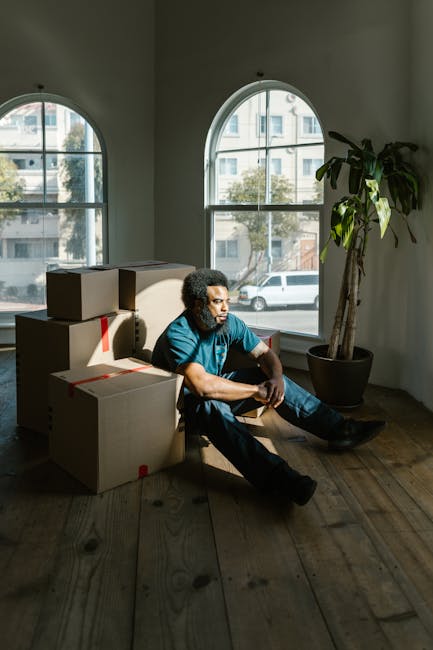
Moving in Clapham can feel deceptively simple on paper. Then the boxes pile up, the hallway narrows, the street gets busy, and suddenly you are wondering how a single sofa got so heavy. This guide to Clapham removals insider tips for faster stress free moves is designed to make the whole process calmer, quicker, and a lot more organised. Whether you are leaving a top-floor flat, shifting a family home, or trying to squeeze an office move into one tight window, the right approach saves time and a fair bit of stress.
In our experience, the moves that go smoothly are rarely the ones with the biggest vans or the flashiest packing tape. They are the ones where someone planned the order of jobs, made a few sensible decisions early, and avoided the classic last-minute scramble. So, let's make that the goal here.
Why Clapham removals insider tips for faster stress free moves Matters
Clapham has its own moving rhythm. You get a mix of Victorian terraces, mansion blocks, purpose-built flats, busy main roads, and streets where parking can be a bit of a puzzle. Add the usual London realities - narrow staircases, lift bookings, controlled parking zones, and neighbours who definitely notice if a van blocks the road for too long - and a move can slow down fast if you are not prepared.
That is why insider tips matter. Not because moving is mysterious, but because the small things compound. A missing box label can cost five minutes. A misjudged van size can cost an hour. Forgetting to reserve access for a building can turn a tidy plan into a stressful shuffle. Suddenly it is 4:30pm, the kettle is packed somewhere in "miscellaneous kitchen," and nobody can find the box with the phone charger. Charming, really.
Good removals advice is less about dramatic hacks and more about reducing friction. If you can shorten loading time, simplify packing, and avoid unnecessary trips, the move becomes more manageable. That is especially true in Clapham, where local conditions can make an otherwise ordinary job feel a little more complicated.
For anyone getting to know the area properly before moving, this guide to Clapham itself is a useful companion read. It gives you broader local context, which helps when you are choosing routes, timing, and access points.
How Clapham removals insider tips for faster stress free moves Works
The simplest way to think about a smoother move is this: reduce decisions on the day, and make the move-out and move-in environments as easy as possible for the team carrying things. That means packing by category, preparing access, measuring anything awkward, and knowing which items need special handling.
A well-run move usually follows a pattern:
- Inventory the items you are moving.
- Sort what you are keeping, donating, recycling, or disposing of.
- Pack and label in a way that makes unloading logical.
- Confirm access details, timing, and parking arrangements.
- Keep essential items separate so you are not digging through ten boxes for toothpaste at 11pm.
That last point sounds small, but it makes a big difference. A move feels stressful when the basics disappear into the chaos. A move feels controlled when the first night box is easy to find, and the bedding, chargers, kettle, and important documents are all within reach.
If you are comparing moving support, it also helps to understand the range of options available. The page on services overview is a handy starting point for seeing how different types of help fit different move sizes.
Key Benefits and Practical Advantages
There are a few obvious benefits to getting organised, and a few that people only notice after the move is over.
- Faster loading and unloading: Clear labels, grouped boxes, and pre-planned access all reduce dead time.
- Less breakage: Better packing and better stacking mean fewer crushed corners and damaged items.
- Lower stress: When you know where everything is going, the day feels less like a fire drill.
- Fewer extra trips: Correct van choice and realistic planning save unnecessary back-and-forth.
- Better coordination with movers: The team can work more efficiently when the job is clearly set up.
There is also a quieter benefit: you start the next chapter with a clearer head. You are not walking into your new place already exhausted by the process that got you there. That matters more than people think.
If budget is part of the decision, take a look at pricing and quotes so you can judge what level of help makes sense for your move size and timeline. Sometimes a modest amount of professional support saves far more time than it costs in effort.
Who This Is For and When It Makes Sense
This advice is useful if you are moving from a flat, house, office, or shared property in Clapham. It is especially relevant if any of the following sounds familiar:
- You live on an upper floor with stairs that seem to go on forever.
- You have bulky furniture, awkward mirrors, or fragile items.
- You need to move on a weekday with limited time.
- You are trying to keep disruption low for children, housemates, staff, or neighbours.
- You need a same-day or short-notice solution.
Students, renters, landlords, homeowners, and small businesses all approach moving differently, but the same core idea applies: the more predictable the job, the quicker and calmer it tends to be. A student move might focus on speed and value, while an office move may prioritise continuity and minimal downtime. Different needs, same principle.
If you are moving out of a compact property, the specific challenges of a flat or apartment are worth considering. The information on flat removals in Clapham Junction is especially relevant for buildings with tight access, stairs, and limited parking space.
And if your timetable is tight, you may find same-day removals in Clapham Junction useful as a practical option rather than a panic move. Not ideal, obviously, but sometimes life happens.
Step-by-Step Guidance
Here is the practical version. No fluff. Just the sequence that usually works best.
1. Start with a ruthless sort-out
Before a single box is packed, decide what is actually worth moving. If you have not used it in a year and it does not have sentimental or practical value, ask yourself why it is still hanging around. Moving fewer items means less packing, less loading, and less unpacking. Simple, but powerful.
2. Book access details early
In Clapham, access can be half the battle. Check lift bookings, stairwell access, loading restrictions, and parking arrangements as soon as possible. If your building has a concierge or management team, let them know the date and time. A five-minute check now can save a whole lot of awkwardness later.
3. Pack by room and priority
Label boxes clearly with both the room and the contents. For example, "Kitchen - mugs and breakfast items" is much more helpful than "Kitchen stuff." Then keep a small priority list for the first day. Bedding, toiletries, chargers, medication, snacks, and a kettle usually make the cut. Comfort matters when the day has been long.
4. Use the right packing materials
Sturdy boxes, paper, tape, bubble wrap, and furniture covers do more than protect items. They make handling faster because everything stacks more neatly. Oddly shaped boxes waste time. Overfilled boxes do too. The sweet spot is packed enough to stay stable, not so heavy that nobody wants to lift them.
5. Measure the awkward things
Sofas, wardrobes, desks, mattresses, and large appliances deserve a quick measurement check. If an item is tight for the stairwell or hallway, know that before moving day. Sometimes a simple angle adjustment solves it. Sometimes it does not. Better to discover that in advance than while three people are standing in a corridor pretending not to panic.
6. Prepare a clear pathway
Keep hallways clear, separate packed boxes from loose items, and make sure the route from room to van is unobstructed. This is one of those obvious things that still gets missed. A tidy path makes movers more efficient and reduces the chance of bumps, scrapes, or backtracking.
7. Keep valuables and essentials with you
Documents, keys, devices, jewellery, and irreplaceable items should travel separately. That keeps them safe and saves time later. You do not want the passport wedged behind a stack of books because someone "put it somewhere sensible." Sensible is great. Findable is better.
8. Do a final sweep before departure
Check cupboards, lofts, under beds, behind doors, and inside wardrobes. The number of forgotten chargers, remotes, and single shoes left behind is honestly astonishing. A proper sweep prevents a frustrating second trip.
Expert Tips for Better Results
Now for the bits that often save the most time.
First, choose the right moving support for the job. A smaller move with limited items may suit a more flexible option, while a full house or office relocation benefits from a more structured team. If you are not sure which format fits, comparing the options on man with a van in Clapham Junction and removal services in Clapham Junction can help you match the service to the workload.
Second, treat heavy or specialist items separately. Pianos, large wardrobes, and delicate furniture are not just "bigger boxes." They need planning, protection, and the right lifting technique. For unusually awkward pieces, piano removals in Clapham Junction shows how specialist handling can be part of a broader smooth-move plan.
Third, think about the weather. A wet London morning changes everything. Floors get slippery, cardboard softens, and people move more carefully. If rain is likely, have covers ready and keep a dry path between property and van. Tiny detail, big difference.
Fourth, do not overload one side of the move with admin. If one person is packing, another should be checking access, another should be dealing with keys, and someone should be keeping the essentials bag in sight. It sounds slightly over-organised. It is. But it works.
Fifth, communicate clearly with the movers. Tell them what is fragile, what is going first, and what absolutely must remain accessible. A good mover can work fast when the instructions are direct. Vague instructions slow everybody down.
If you are trying to balance speed with a sensible budget, a man and van Clapham Junction approach can suit smaller or more straightforward moves, while larger or more complex jobs may need a fuller moving team. The right fit matters more than the label.

Common Mistakes to Avoid
Some mistakes are very common, and almost all of them are avoidable.
- Packing too late: The night-before rush leads to bad labelling and fragile items getting mixed in.
- Assuming access will be easy: Clapham properties can look simple until you meet the stairs, the gate codes, and the parking rules.
- Using weak boxes: Flimsy boxes collapse at the worst possible moment. Usually while someone is looking directly at them.
- Not separating essentials: If you cannot find your charger, toothbrush, or medication, stress rises immediately.
- Leaving furniture assembly for later without a plan: You may be fine living around a dismantled bed frame for one night. Two nights becomes a bit grim.
- Forgetting to measure awkward items: One bad measurement can cause delays that are completely unnecessary.
There is also a subtle mistake that people rarely talk about: trying to make every box equally important. They are not. Some items need to be opened on day one, some next week, and some maybe never. Rank them accordingly. Your future self will thank you.
Tools, Resources and Recommendations
You do not need a huge toolkit to move well, but a few practical items make life easier.
- Strong cardboard boxes in a few sizes
- Packing tape and tape dispenser
- Permanent marker for clear labels
- Bubble wrap, packing paper, or soft linens for protection
- Furniture blankets or covers
- Basic toolkit for dismantling and reassembly
- Zip bags for screws, fittings, and small parts
- Cleaning cloths for a final wipe-down
Recommendation-wise, start with what will genuinely save time rather than what looks impressive. A good label system is more valuable than fancy packing accessories, to be fair. Also, a phone note with room-by-room priorities often works better than a sheet of paper that disappears into the kitchen drawer of doom.
If you are moving out of a home rather than a flat, you may also find home removals in Clapham Junction useful when planning a larger move with more furniture and household contents.
For furniture-heavy moves, furniture removals in Clapham Junction is worth understanding because bulky items often dictate the whole schedule.
Law, Compliance, Standards and Best Practice
Moving home or office in the UK is not usually a heavily regulated experience from the customer side, but there are still important expectations around safety, access, and responsible handling. Good practice matters.
For example, movers should work in a way that avoids unnecessary risk to people and property. That means sensible lifting, careful stacking, and reasonable checks on access routes. If a company carries insurance, it should be able to explain what that means in plain English. The same goes for payment handling, data protection, and terms of service. No one wants surprises hidden in a tiny paragraph and a long FAQ.
It is also sensible to understand your own responsibilities. If you live in a managed building, you may need to give notice or arrange lift access. If parking is restricted, you may need to plan around it. If you have fragile or high-value items, tell the mover before the day begins.
For reassurance on operating standards, you can review the company's approach to insurance and safety, and for broader service confidence, the page on health and safety policy is relevant. It is also sensible to read the terms and conditions so everyone understands the basics before moving day.
If you are environmentally minded, you may appreciate a company that treats waste sensibly. The recycling and sustainability approach can matter if you are clearing out old furniture, packaging, or items that should not simply be dumped.
Options, Methods, and Comparison Table
Different move types need different levels of support. Here is a simple comparison that helps you decide what fits best.
| Option | Best for | Strengths | Trade-offs |
|---|---|---|---|
| Self-move | Very small moves and tight budgets | Lowest direct cost, full control | More physical effort, more time, higher risk of delays |
| Man and van | Studios, small flats, partial moves | Flexible, quicker for smaller loads, simple to arrange | Not always ideal for large households or complex access |
| Full removals service | Homes, larger flats, offices, bulky furniture | More support, better coordination, smoother loading | Usually more expensive than a simple van-only job |
| Same-day support | Urgent or last-minute situations | Fast response, practical under pressure | Less flexibility on timing and scheduling |
There is no single best option. The right choice depends on how much you own, how awkward access is, and how quickly you need everything done. A small, tidy flat move and a three-bedroom family move are not the same thing - not even close.

Case Study or Real-World Example
Picture a typical Clapham flat move on a Friday morning. One-bedroom property, third floor, narrow staircase, parking a short walk away. Nothing dramatic, but enough to create friction if the team is unprepared.
In the smooth version of the move, the resident has already separated essentials, labelled boxes by room, and booked the lift with building management. They have measured the sofa and dismantled the bed the night before. The movers arrive, load quickly, and the van leaves without two separate arguments about where the kettle is.
In the messy version, boxes are mixed, access is not confirmed, and the large mirror is still attached to the wall when the lift booking ends. The job still gets done, but it takes longer, feels more stressful, and usually ends with someone saying, "We should have done that earlier." And they would be right.
The lesson is straightforward: small bits of prep create very noticeable gains on the day. It is rarely about doing one heroic thing. It is about removing ten little obstacles before they become a problem.
For people who want a broader sense of the local moving environment, the residents' guide to life in Clapham also helps frame what daily logistics look like in the area, especially if you are new to it.
Practical Checklist
Use this as a final pre-move run-through. You do not need perfection. You do need structure.
- Confirm move date, arrival time, and access details.
- Check parking or loading arrangements.
- Declutter and separate items you are not taking.
- Pack room by room and label clearly.
- Prepare a separate essentials bag or box.
- Measure large furniture and awkward items.
- Protect fragile items with suitable packing materials.
- Dismantle furniture that will not pass through easily.
- Keep keys, documents, and valuables with you.
- Do a final sweep of cupboards, lofts, and storage spaces.
- Set aside tools for quick reassembly at the other end.
- Share any special instructions with the movers before they arrive.
Quick expert summary: the fastest stress-free move is usually the one where you make the day boring in advance. Less guessing, less shuffling, fewer surprises. That is the real trick.
Conclusion
Clapham moves do not have to feel chaotic. When you plan access, pack with purpose, choose the right support, and keep the essentials close, the whole experience becomes easier to manage. The best Clapham removals insider tips for faster stress free moves are not flashy - they are practical, local, and grounded in how moving actually works on the ground.
Whether you are moving a studio, a family home, or a workspace, the same principle holds: reduce friction before move day arrives. Do that, and you will save time, protect your belongings, and start the next chapter with a lot more headspace.
Get a free quote today and see how much you can save.
And if you are feeling a bit swamped by it all, that is normal. One good plan, and the day gets lighter.
