Northcote Road Clapham SW11 house removals plan for narrow streets
Posted on 15/07/2026
Northcote Road Clapham SW11 House Removals Plan for Narrow Streets
Moving home on Northcote Road in Clapham SW11 sounds straightforward until you meet the reality of a busy London high street, tight side roads, parked cars, awkward loading gaps, and neighbours who would quite like their Saturday morning back. A good Northcote Road Clapham SW11 house removals plan for narrow streets turns that potential headache into a controlled, workable move. The goal is not just to shift boxes. It is to make sure the van can stop safely, the crew can carry efficiently, and your belongings travel without avoidable stress.
That is especially important in an area where access can be tight and timing really matters. In this guide, you will get a practical, locally aware plan for moving in and around Northcote Road, from route planning and parking strategy to packing, lift access, and what to do when the street is so narrow that a standard approach just will not cut it. If you want a smoother moving day, you are in the right place.
For broader background on the neighbourhood, you may also find this Clapham guide useful, especially if you are still getting a feel for the area.
Why Northcote Road Clapham SW11 house removals plan for narrow streets Matters
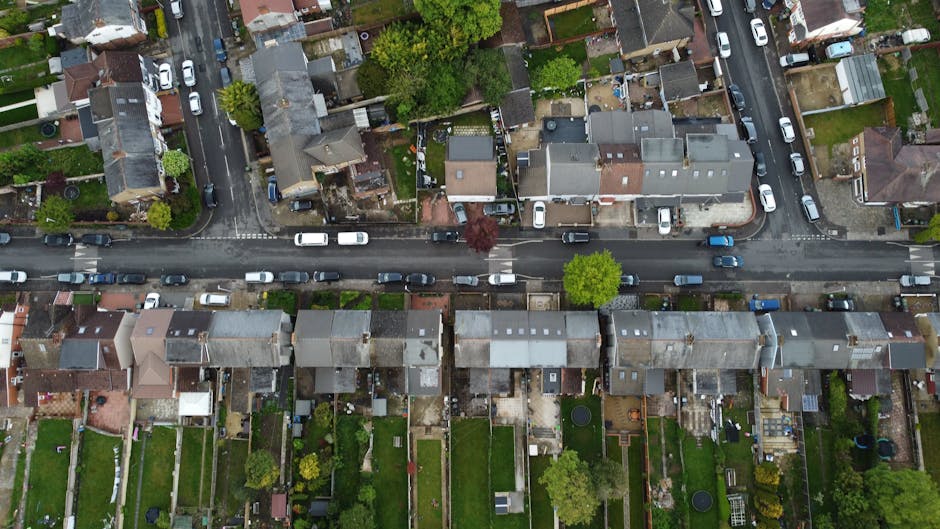
Northcote Road is one of those places where the atmosphere is lively, local, and a little bit challenging for logistics. The street pattern around Clapham SW11 often includes narrow residential roads, on-street parking, one-way sections, and delivery competition from shops, cafes, and everyday traffic. That mix changes the way a house move has to be handled.
Without a plan, the move can unravel in small ways that become expensive and frustrating. A van may arrive but have nowhere sensible to stop. A sofa may be too difficult to angle through a hallway with a tight turn. A second trip may be needed because the vehicle size was chosen on guesswork rather than access. None of that is dramatic on its own. Add it all together, and suddenly you are burning time, energy, and patience.
A narrow-street removal plan matters because it protects the three things that usually go wrong first: access, timing, and physical handling. In our experience, when the access is mapped properly, the whole day feels calmer. The crew knows where to park, what can be carried first, and how to keep the flow moving. That is worth a lot on a street like Northcote Road.
Expert summary: In a tight Clapham street, the move is won before the van arrives. If you solve access, parking, and load sequencing early, the rest becomes much easier.
For people comparing moving approaches, it can help to read about removal services in Clapham Junction and how different support levels fit different property types.
How Northcote Road Clapham SW11 house removals plan for narrow streets Works
A good removals plan for narrow streets is basically a chain of small decisions made in the right order. It starts with access assessment, then vehicle choice, then packing, then move-day sequencing. Nothing fancy, but each piece depends on the one before it.
1. Access is checked first
Before anything else, someone needs to look at the route from the van to your front door. How wide is the street? Is there room for a van to wait without blocking traffic? Is the property on a terrace, a top floor flat, or a conversion with a narrow stairwell? These details matter more than people expect.
If you are moving from a flat or maisonette, a quick look at flat removals support can help you see how access-heavy moves are usually managed.
2. The van size is matched to the street
On narrow roads, bigger is not always better. A huge vehicle may carry more, but it can become a pain if it cannot park close enough to the property. Sometimes a smaller van, or a staged move with a second run, is the smarter call. Truth be told, a slightly smaller vehicle that can load efficiently beats a giant van stuck ten metres away every time.
3. The load order is planned
The order of loading should reflect the layout of the property and the van access. Heavy, sturdy items go first. Fragile or awkward items are protected and loaded in a way that minimises shifting. If there is a piano, for example, that becomes its own planning category. You can look at piano removals in Clapham Junction to understand why specialist handling matters for bulky, valuable items.
4. The move window is timed properly
Moving at the wrong time in a place like Northcote Road can turn a normal job into a slow one. School runs, weekend footfall, market activity, and commuter traffic all affect the street. Early starts can help, though sometimes the best timing is the one that avoids peak congestion rather than simply being earliest on the clock.
5. The carry route is kept clear
Inside the house, the path from room to door should be free of loose clutter, trailing cables, and last-minute obstacles. This sounds obvious, but in real life, it is usually the forgotten shoe rack or the umbrella stand that gets in the way. Slightly annoying. Very normal.
Key Benefits and Practical Advantages
When a narrow-street move is planned well, the benefits show up immediately. The day feels less rushed, the team spends more time moving items and less time waiting for access, and the risk of accidental damage goes down.
- Less wasted time: The crew is not circling for parking or improvising on the pavement.
- Lower handling risk: Fewer unnecessary lifts, turns, and awkward carries reduce the chance of knocks.
- Better neighbour relations: A tidy, efficient move is less disruptive to the people living nearby.
- More accurate cost control: Efficient access often means fewer complications and fewer surprises.
- Less personal stress: You are not trying to solve logistics while also unpacking toiletries and looking for kettle tea bags.
There is also a subtle but important psychological benefit: once the access plan is solid, you stop second-guessing everything. That alone can make the day feel lighter.
If you are still exploring whether you need full removal support or something lighter, compare your options with man with a van in Clapham Junction and the wider services overview.
Who This Is For and When It Makes Sense
This kind of plan makes sense for almost anyone moving on or near Northcote Road, but it is especially useful if one or more of these apply:
- your property is on a narrow terraced street
- parking is limited or unpredictable
- you have a narrow staircase or tight hallway
- you own bulky furniture, a piano, or fragile items
- you are moving on a weekend or at a busy time of day
- you are in a top-floor flat or split-level home
- you need the move done quickly because of handover timing
It also suits people who are moving for the first time and do not want to learn logistics the hard way. Let's face it, most of us only discover how complicated a dining table can become when it meets a narrow staircase.
Students and smaller households may prefer a lighter approach, especially if the move is local and the item count is modest. In that case, student removals or a flexible van-based option can make more sense than a full-scale operation.
Step-by-Step Guidance
Step 1: Measure the access properly
Do not rely on memory. Measure stair widths, doorway gaps, hallway turns, and any exterior pinch points. If your sofa arrived easily years ago but now the hallway has a tighter corner because of furniture or storage, check again. People often forget how much a room has changed.
Step 2: Decide what needs professional handling
Separate the move into three groups: easy items, awkward items, and specialist items. Easy items are boxes and lightweight household goods. Awkward items are wardrobes, beds, mirrors, and glass tables. Specialist items may include pianos, artwork, or heavy furniture that needs extra protection. For heavier pieces, furniture removals can make a real difference.
Step 3: Choose the right vehicle and crew size
On narrow streets, a well-sized van with a crew that can load quickly is often better than one oversized vehicle and too few hands. If access is limited, ask whether the move should be split, staged, or handled with an alternative approach. A plan that fits the street is the whole game.
Step 4: Reserve the move window and allow slack
Build in time for access delays. Even when everything is lined up, a neighbour may be parking out front, a delivery lorry may be in the way, or a lift may be occupied. A little slack in the schedule saves a lot of friction.
Step 5: Pack for speed, not just storage
People often pack as if they are storing items in a loft for six months. That is not the same as moving day packing. Boxes should be labelled by room and priority. Fragile items should be protected, but not buried under unnecessary filler. The more clearly things are packed, the quicker the crew can place them in the right rooms. A good place to prepare is packing and boxes support.
Step 6: Clear the exit route
Remove clutter from staircases, hallways, and door thresholds. If a large item must be turned, mark the turning points in advance. You do not need theatre lighting, just a clear path and a bit of common sense.
Step 7: Manage parking and loading carefully
This is where local awareness pays off. If the van must wait farther down the road, make sure the carry path is still practical. If the road is busy, a loading rhythm should be established so items keep moving without blocking pedestrians or other traffic for too long.
Step 8: Unload by room priority
Once at the new property, ask for essential boxes and furniture to be placed first. Beds, basics, and kitchen items usually come before decorative pieces. The first evening goes so much better when you can find a mug without opening twelve identical boxes. Been there, more than once.
Expert Tips for Better Results
Here are the little things that tend to make the biggest difference on a narrow street move.
- Visit the street at the same time of day as the move: Traffic and parking behaviour can change a lot between early morning and late afternoon.
- Photograph access points: Pictures of doorways, stairs, parking spaces, and the street outside are extremely useful for planning.
- Keep one "first night" box separate: Toiletries, chargers, kettle supplies, medication, and one change of clothes should never be buried.
- Label sides of boxes: If boxes are stacked in a van or hallway, visible labels save time.
- Protect floor surfaces: Narrow halls tend to show every scuff. Good runners or coverings can reduce stress for everyone.
- Tell neighbours early: A quick heads-up can prevent awkward moments when a van turns up and somebody is trying to reverse out of a tight bay.
One more thing. If you have a bulky item that you suspect will be awkward, say so early. People sometimes keep quiet out of politeness, but polite silence does not help a fridge negotiate a narrow landing.
For urgent or time-sensitive situations, same-day removals may be worth considering if your schedule has suddenly gone sideways.
Common Mistakes to Avoid
The biggest mistakes are rarely dramatic. They are usually small planning errors that snowball.
1. Choosing a vehicle without checking the street
It is tempting to book on the basis of volume alone. But if the van cannot get near the door, volume stops mattering quite quickly.
2. Ignoring parking realities
Even a perfect packing job can be slowed by poor parking assumptions. Don't assume there will be a space outside. That is optimistic in the wrong way.
3. Leaving packing until the last minute
Rushed packing leads to loose items, poor labelling, and more handling time. Boxes become heavier than they should be, too. Your back notices, usually later in the day when you least appreciate the reminder.
4. Forgetting about neighbours and shared access
Shared hallways, communal entrances, and narrow pavements need a bit of courtesy. Moves are smoother when people around you feel considered, not surprised.
5. Not flagging awkward items
Wardrobes, mirrors, pianos, and oversized sofas all deserve advance warning. Specialist handling is there for a reason.
6. Underestimating unloading time
Getting into the new property is not the end of the job. If boxes are dumped in the wrong rooms, you pay for it later in pure exhaustion.
If you are comparing providers, this is a good moment to review removal companies in Clapham Junction and see how they describe access planning and support.
Tools, Resources and Recommendations
You do not need a truckload of equipment to move well, but a few practical tools can make the process much smoother.
| Tool or Resource | What It Helps With | Why It Matters on Narrow Streets |
|---|---|---|
| Measuring tape | Doorways, stairwells, furniture dimensions | Prevents nasty surprises on awkward turns |
| Box labels and marker pens | Room-by-room organisation | Speeds up unloading and placement |
| Protective covers and blankets | Furniture, floors, and corners | Reduces scuffs in tight passageways |
| Photos of access points | Street width, parking, interior turns | Helps plan the van and crew before arrival |
| Inventory list | Tracking boxes and furniture | Useful when the move needs staging |
In practical terms, the best recommendation is to combine your own prep with a mover who understands London street patterns. If the move includes a van-only approach, man and van in Clapham Junction can be a sensible fit for smaller or faster jobs.
You may also want to think about payment clarity and what is covered before the job begins. A quick look at payment and security can help you feel more settled before move day.
Law, Compliance, Standards, or Best Practice
For a move in Northcote Road or anywhere else in London, the key compliance issue is usually not a dramatic legal puzzle. It is proper road use, safe loading, sensible parking, and making sure the move is carried out without creating avoidable risk.
In plain English, that means:
- do not block traffic unnecessarily
- keep pavements and entrances as clear as possible
- use suitable manual handling methods for heavy or awkward items
- make sure the crew has a safe route in and out
- be mindful of any local parking or loading restrictions
Good removal practice in the UK also tends to follow simple but important safety habits: lifting with control, communicating clearly, and not forcing an item through a space it clearly does not fit. You really do not want to discover the wrong angle at the top of a narrow staircase.
For peace of mind, it helps to work with a company that has clear safety guidance. You can review insurance and safety and the related health and safety policy if you want to understand the approach more fully.
There is also a practical side to sustainability. Good movers should think about waste reduction, reuse, and recycling where appropriate. That might sound minor during a busy move, but it adds up. If that matters to you, take a look at recycling and sustainability.
Options, Methods, or Comparison Table
Different access situations call for different moving methods. There is no one-size-fits-all answer, especially in narrow streets.
| Method | Best For | Strengths | Trade-offs |
|---|---|---|---|
| Full home removals | Larger households, multiple bulky items | Most complete support, better for complex homes | Needs more planning and often more vehicle space |
| Man and van | Smaller moves, lighter access needs | Flexible, practical, often quicker to organise | May not suit large or highly awkward loads |
| Furniture-only move | Single heavy items or selected pieces | Targets the hardest objects without moving everything | Still needs access planning for oversized pieces |
| Same-day move | Urgent timing or last-minute change | Fast response and quick turnaround | Less time to plan, so accuracy matters even more |
If your move is more straightforward, a home removals service may be the right fit. For urgent timing, the article on Clapham Junction same-day removals and urgent moves is a useful companion read.
Case Study or Real-World Example
Imagine a two-bedroom property just off Northcote Road. The street is narrow, parking is tight, and there is a narrow staircase with one awkward turn halfway up. The household has a bed frame, a sofa, several bookcases, and a dining table that looked modest in the showroom but behaves like a completely different animal in a hallway.
The first version of the plan is optimistic: one large van, one-time loading, and no real parking backup. That version usually leads to delay. A better version looks like this instead:
- The access is checked in advance with photos and rough measurements.
- The move is scheduled for a quieter window.
- The heaviest items are identified first.
- The crew knows which pieces need extra protection.
- Boxes are labelled by room, with essentials separated out.
- Loading starts with the items that would be most awkward to carry later in the day.
What changes in practice? Less waiting, fewer "let's just try it this way" moments, and far fewer opportunities for damage. The move still takes effort, of course. Nobody is pretending it becomes magically pleasant. But it becomes manageable, and that is a big difference.
That same thinking also works for local flats and mixed household moves, which is why flat removals in Clapham Junction are often planned with similar attention to staircases, hallways, and parking.
Practical Checklist
Use this checklist to keep the move on track.
- Measure doorways, stairs, and any tight corners
- Check whether the van can stop close to the property
- Photograph the access route and outside parking area
- Separate fragile, bulky, and specialist items
- Pack essentials in a clearly marked first-night box
- Label every box by room
- Protect floors and corners before heavy lifting starts
- Tell neighbours if the move is likely to affect shared access
- Confirm timings and vehicle size before the day
- Keep keys, documents, chargers, and medication with you
- Have a backup plan in case the street is blocked
- Review payment, insurance, and service details in advance
If you are still weighing up your move options, it may help to review removals in Clapham Junction and the broader movers Clapham Junction pages for a sense of how the service structure works.
Conclusion
A smart Northcote Road Clapham SW11 house removals plan for narrow streets is really about respect for the street, the property, and your own time. When you take access seriously, choose the right vehicle, pack with purpose, and plan the load sequence carefully, the whole move becomes more predictable. Not easy, exactly. But better. Much better.
The best moves in narrow London streets are rarely the ones that look effortless. They are the ones that were quietly organised in advance, with enough flexibility to handle a blocked bay or a tight staircase without panic. And that calm, practical approach is something you can absolutely build.
Get a free quote today and see how much you can save.
For more background on local moving considerations, you may also want to read about Clapham removals insider tips for faster, stress-free moves.